
Why Proper Hearing Aid Maintenance Can Improve Your Quality of Life
Joy of Hearing Team
Joy of Hearing Clinical Team
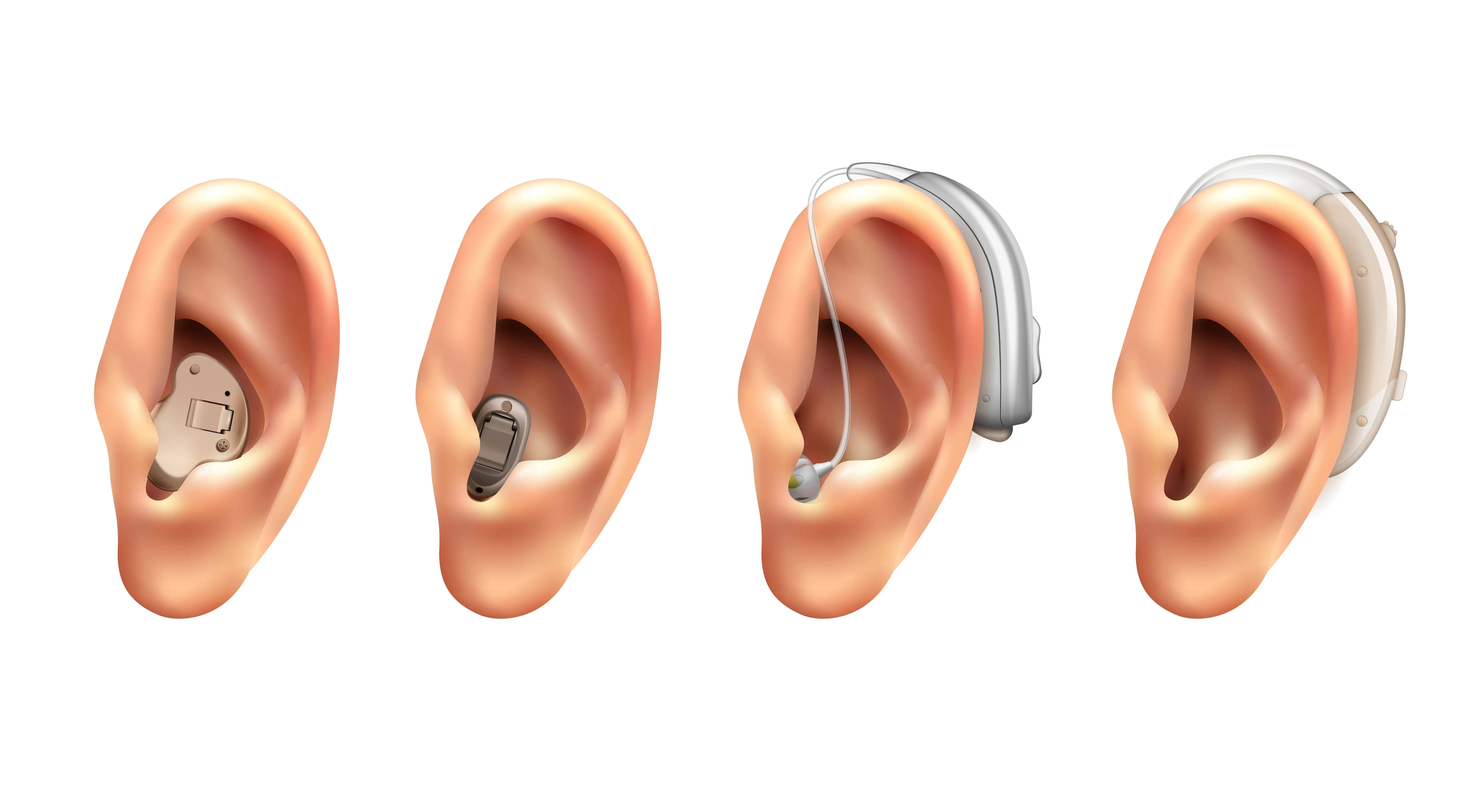
Hearing aids are exceptional medical devices that fundamentally transform how individuals with hearing loss engage with the acoustic environment around them. Far from being simple amplifiers, modern hearing aids are highly sophisticated microcomputers. They execute millions of calculations per second to analyze incoming soundscapes, suppress background noise, enhance speech clarity, and deliver customized acoustic prescriptions directly into the ear canal. However, these intricate pieces of technology operate in an environment that is uniquely hostile to microelectronics.
To ensure that hearing aids continue to function optimally, rigorous and consistent maintenance is an absolute requirement. Proper care not only extends the physical lifespan of the device but directly correlates to the quality of sound you experience, thereby preserving your social connections, cognitive engagement, and overall quality of life.
The Microscopic World of Hearing Aid Technology
To understand why maintenance is so essential, one must examine the anatomy of a contemporary hearing aid. Most modern behind-the-ear (BTE) or receiver-in-canal (RIC) devices consist of a primary housing that rests behind the pinna (the outer ear), containing the microphones, the digital signal processing chip, and the battery. A microscopic wire runs down into the ear canal, terminating in a receiver (the speaker), which is covered by a silicone dome or a custom-molded acrylic earpiece.
Every point of entry on the device—specifically the microphone ports and the receiver output—is highly vulnerable to obstruction. If the microphones become clogged, the device cannot accurately capture ambient sound. If the receiver becomes blocked, the amplified sound cannot escape into the ear canal. In either scenario, the acoustic output becomes distorted, muffled, or entirely silenced.
The Biological Threat: Cerumen and Moisture
The ear canal is a dark, warm, and highly humid biological cavity. It is lined with specialized glands that produce cerumen, commonly known as earwax. While cerumen is perfectly healthy and serves to lubricate the ear canal and trap foreign particles, it is the natural enemy of electronic devices. Earwax can easily migrate into the receiver port of a hearing aid, solidifying around the delicate speaker membrane and completely blocking sound transmission.
Moisture represents an equal, if not greater, threat. The human body constantly generates heat and perspiration. When a hearing aid rests behind the ear or inside the canal, it is continuously exposed to sweat, body oils, and environmental humidity. Over time, moisture can permeate the outer casing of the device, leading to oxidation and corrosion of the internal circuitry and battery contacts. Furthermore, moving between extreme temperature environments—such as stepping out of an air-conditioned room into the intense summer heat—can cause condensation to form internally, short-circuiting the microscopic processors.
Establishing a Daily Maintenance Protocol
Protecting your investment and ensuring maximum auditory performance requires the establishment of a meticulous daily cleaning routine. Taking just a few minutes each evening to care for your hearing aids can prevent the vast majority of performance issues.
1. Cleaning the Microphones and Casing
At the end of each day, gently wipe down the entire external casing of the hearing aid with a soft, dry microfiber cloth. This removes the daily accumulation of body oils and sweat. Next, use a specialized soft-bristled hearing aid cleaning brush to gently sweep over the microphone ports. It is imperative to hold the hearing aid with the microphone ports facing downward while brushing; this allows gravity to pull any dislodged debris away from the device, rather than pushing it deeper into the microphone housing.
2. Inspecting and Replacing Wax Guards
Receiver-in-canal and custom in-the-ear hearing aids utilize small, disposable filters known as wax guards to prevent cerumen from reaching the receiver. Inspect the tip of your device daily under a bright light. If the microscopic holes in the white wax guard appear filled with yellow or brown debris, the filter must be replaced immediately. Failing to replace a clogged wax guard is the single most common cause of a “dead” hearing aid.
3. Caring for Domes and Earmolds
If your hearing aid uses a silicone dome, wipe it carefully with a dry cloth to remove wax. Domes should typically be replaced every few months as they can degrade, tear, or lose their acoustic seal. If you have a custom acrylic earmold, you may be instructed to detach it from the electronic components and wash it with warm, soapy water. Always ensure an earmold is completely dry, using an air blower to force water out of the acoustic tubing, before reattaching it to the hearing aid.
Never use water, household cleaning solvents, or alcohol-based solutions on the main body of the hearing aid, as these will permanently damage the protective acoustic coatings and internal electronics.
Advanced Moisture Management
To combat the relentless exposure to humidity and sweat, implementing an active drying system is highly recommended. While basic passive desiccant jars are effective for mild moisture removal, electronic drying stations offer superior protection. These small appliances use gentle, circulating dry heat to evaporate internal moisture over several hours. Many premium drying stations also incorporate ultraviolet (UV-C) light to sanitize the surface of the hearing aid, destroying bacteria and fungi that can cause ear canal infections or unpleasant odors. Placing your hearing aids in an electronic dryer every night while you sleep is one of the most effective strategies for extending their functional lifespan.
Additionally, always remove your hearing aids before showering, swimming, or using a sauna. Wait until after you have applied hairspray, gel, perfume, or aerosol sunscreens before inserting your devices, as the microscopic chemical droplets from these products can permanently clog the microphone covers.
Power Management and Battery Care
Proper power management is another critical component of hearing aid maintenance. The approach differs depending on whether your device utilizes traditional disposable batteries or built-in rechargeable cells.
For traditional zinc-air batteries, always wait a full minute after removing the protective sticker before inserting the battery into the device. This pause allows the battery to absorb oxygen from the air, fully activating the zinc chemical reaction and ensuring maximum battery life. When the hearing aid is not in use, open the battery door completely. This immediately halts battery drain and allows any trapped moisture inside the battery compartment to evaporate, preventing corrosion on the internal metal contacts.
For lithium-ion rechargeable hearing aids, regular cleaning of the charging contacts is essential. Small amounts of sweat or oil can create a barrier between the device and the charging dock, leading to incomplete charges. Gently wipe the metallic contacts on the bottom of the hearing aid and inside the charger with a dry cloth. Always keep your charging station in a cool, dry room—such as a bedroom dresser—rather than a humid bathroom.
The Role of Professional Audiological Maintenance
While daily at-home care is the foundation of hearing aid longevity, it cannot replace the necessity of professional maintenance. You should schedule a comprehensive clean-and-check appointment with your hearing healthcare provider at least every six months.
During these appointments, an audiologist utilizes specialized, high-powered equipment that is not available for home use. They employ clinical vacuum systems to extract deeply impacted debris from the receiver and microphone ports. They utilize high-frequency ultrasonic cleaners for custom earmolds to dissolve calcified cerumen.
Moreover, your audiologist will perform an electroacoustic analysis of the device inside a specialized test box. This diagnostic test measures the exact acoustic output of the hearing aid and compares it to the manufacturer’s original specifications. If the device’s internal components are beginning to fail, this analysis will detect the drop in performance long before it is subjectively noticeable to the user. Finally, professional visits allow the provider to install necessary firmware updates from the manufacturer, ensuring your digital processor is running the most advanced and efficient algorithms available.
A Real-World Clinical Example
Consider the case of Robert, a 68-year-old patient who arrived at the clinic deeply frustrated, reporting that his hearing had dramatically worsened over the past week. He was convinced his hearing aids were broken and that his auditory nerve had rapidly deteriorated. Upon examination, his ear canals were clear, and a diagnostic hearing test confirmed his hearing thresholds were completely stable.
When the audiologist examined Robert’s hearing aids under a surgical microscope, the problem became immediately apparent. The microscopic wax guards on both receivers were completely saturated with cerumen, and the primary microphone ports were heavily impacted with a mixture of sweat and dust. Following a ten-minute deep cleaning and the replacement of the wax filters, the devices were re-analyzed. The electroacoustic output was perfectly restored. Robert’s quality of life, which had severely declined due to a week of isolation and miscommunication, was instantly renewed—all through proper device maintenance.
Ultimately, hearing aids require a partnership between advanced clinical technology and vigilant patient care. By embracing a daily cleaning regimen, managing moisture aggressively, and attending regular professional check-ups, you guarantee that your hearing aids will deliver the crystal-clear acoustic performance you need to stay fully connected to the people and sounds you love.