
5 Tips for Getting the Most Out of Your Post-Fitting Hearing Aid Counseling Sessions
Joy of Hearing Team
Joy of Hearing Clinical Team
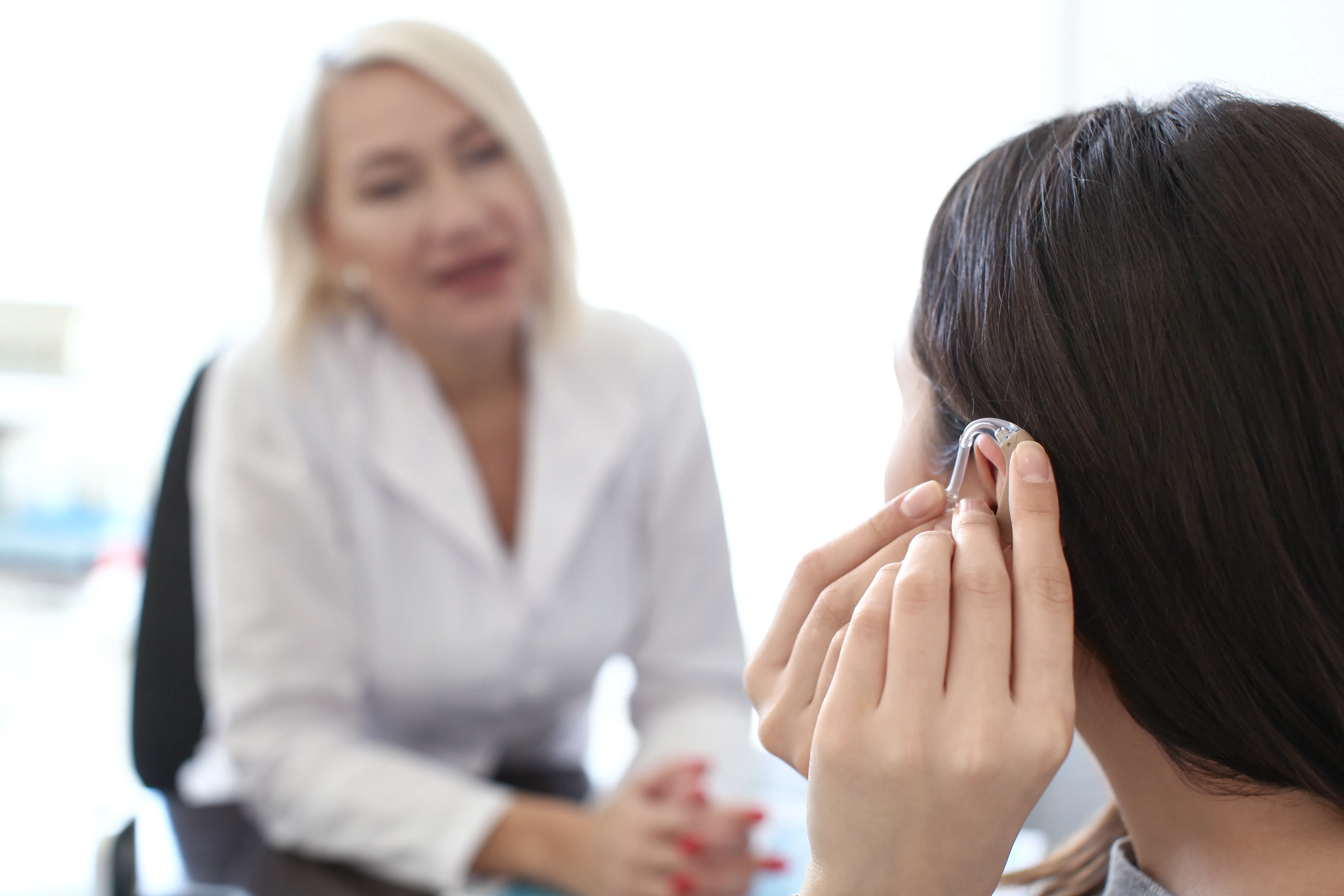
Receiving your new hearing aids is an exciting, transformative milestone in your journey toward better auditory health. However, walking out of the audiology clinic with your newly programmed devices is not the end of the medical process; it is merely the beginning of your auditory rehabilitation. The human brain requires significant time, intentional practice, and precise clinical adjustments to accurately interpret sound after a prolonged period of auditory deprivation.
Post-fitting hearing aid counseling sessions are specialized, highly focused clinical appointments designed to bridge the complex gap between technological amplification and neurological adaptation. During these essential visits, your audiologist meticulously evaluates your progress, verifies the real-world acoustic output of your devices, and guides you through the intricate acclimatization process. To ensure you extract the absolute maximum clinical benefit from these appointments, it is vital to take an engaged, active role in your rehabilitation.
Here are five highly effective, evidence-based strategies to optimize your post-fitting counseling sessions and accelerate your physiological journey toward effortless hearing.
1. Document Your Acoustic Environments: Keep a Detailed Auditory Journal
Human memory for sound and acoustic experiences is notoriously unreliable. When an audiologist asks how your new devices are performing, a generalized response like “they sound okay” or “things are a bit loud” provides very little actionable clinical data. Hearing aids do not amplify all sounds equally; they process sound dynamically based on the specific acoustic environment. A quiet living room with carpet requires an entirely different algorithmic response than a highly reverberant restaurant with hard tile floors or a windy outdoor golf course.
To maximize the efficiency and precision of your follow-up appointments, maintain a detailed, daily auditory journal during your first few weeks of wear. Document specific, real-world scenarios where you experienced difficulty, discomfort, or exceptional success.
What specific data to track in your auditory journal:
- Sharp, harsh, or transient sounds: Did the sudden clattering of silverware, the running of tap water, or the crinkling of a newspaper seem unnaturally abrasive? This specific feedback indicates that the maximum power output (MPO) or the compression knee-points may need fine-tuning.
- Speech-in-noise comprehension: Were you able to understand the person sitting directly across from you at a crowded coffee shop, or did the diffuse background noise overpower their voice? This tells the audiologist how the signal-to-noise ratio (SNR) algorithms are functioning.
- Feedback or acoustic whistling: Note any instances where the devices produced a high-pitched squeal. Was it when you hugged a family member, wore a wide-brimmed hat, or chewed specific foods? This relates to the feedback cancellation software.
- Physical ergonomics and comfort: Did you experience any soreness, pressure points, or itching in the ear canal after several continuous hours of wear?
Bringing these specific, well-documented experiences to your counseling session allows your audiologist to make precise, targeted programming adjustments to the compression ratios, frequency-specific gain settings, and digital noise reduction features.
2. Master the Technical Anatomy and Routine Maintenance of Your Devices
Modern hearing aids are highly sophisticated, miniaturized micro-computers worn in one of the most hostile environments possible for sensitive electronics: the human ear canal. The ear canal is naturally warm, humid, and continuously produces cerumen (earwax), all of which can severely degrade the acoustic performance of the device if not meticulously managed.
Use your post-fitting sessions to become an absolute expert on the physical anatomy of your specific devices. Whether you wear Receiver-In-Canal (RIC), Behind-The-Ear (BTE), or completely Custom in-the-ear units, ask your audiologist for hands-on, practical demonstrations of routine maintenance tasks. You should be entirely confident in your ability to perform daily and weekly hygienic care.
Key technical areas you must master:
- Cerumen management protocols: Learn exactly how to inspect and safely replace the wax guards (cerumen filters). A microscopically blocked wax guard is the number one reason hearing aids are mistakenly assumed to be “dead” or malfunctioning.
- Dome, mold, and receiver care: If you wear RIC devices, understand how to properly wipe down the silicone domes or custom acrylic molds, and ensure the delicate receiver wire is properly seated in the canal without kinking.
- Moisture control systems: Discuss the use of active electronic drying systems or passive dehumidifiers to protect the internal circuitry and microphone ports from daily perspiration and environmental humidity, thus preventing corrosion.
- Power management solutions: Whether your technology utilizes zinc-air disposable batteries or advanced lithium-ion rechargeable systems, clearly understand the expected battery life, optimal charging protocols, and how to identify the specific low-battery auditory warning signals.
Taking total ownership of the physical maintenance of your medical devices prevents frustrating periods of downtime and ensures the acoustic output remains clinically accurate day after day.
3. Set Realistic Neurological Expectations Regarding Acclimatization
One of the most vital components of post-fitting counseling is managing psychological and physiological expectations regarding neuroplasticity. When you have lived with untreated sensorineural hearing loss, your central auditory cortex has been chronically deprived of high-frequency sounds—such as the vital speech consonants /s/, /f/, /th/, and /sh/—often for years or even decades.
When your new hearing aids suddenly reintroduce these missing frequencies, the brain frequently perceives them as unnaturally loud, harsh, or distinctly “tinny.” Additionally, your own voice may sound artificial, hollow, or excessively boomy (a recognized clinical phenomenon known as the occlusion effect). Routine environmental noises—the sound of your own footsteps on a hardwood floor, the low hum of the refrigerator, or the ticking of a wall clock—may initially seem overwhelmingly prominent.
During your counseling sessions, be entirely transparent with your audiologist about these unfamiliar sensations. Do not suffer in silence or abandon the devices in a bedside drawer. Your audiologist needs to know exactly what you are experiencing physiologically so they can formulate a customized acclimatization plan.
Often, the clinical solution involves temporarily lowering the high-frequency amplification to a more comfortable, tolerable level and gradually, incrementally increasing the volume over several weeks or months. This systematic, step-by-step approach allows your neurological pathways to gently rebuild their tolerance and correctly relearn how to filter out inconsequential background noise. Understanding that your brain is undergoing a literal physical rewiring process helps maintain vital patience during the initial adaptation period.
4. Leverage Data-Logging Analytics and Advanced App Connectivity
Contemporary hearing technology is incredibly advanced, universally featuring integrated, highly sophisticated data-logging software. Your devices act as continuous, invisible acoustic monitors, quietly recording vast amounts of data about the sound environments you frequent, how many hours a day you actively wear the devices, and how often you manually adjust the volume or toggle between listening programs.
During your post-fitting session, your audiologist will extract and analyze this encrypted data to gain an objective, unbiased overview of your specific usage patterns. If you report that conversations in noisy, reverberant places are exceptionally difficult, the data log might reveal that you are only encountering these noisy environments for a few minutes a week. This indicates that your brain simply hasn’t had adequate time to train and adapt in those specific settings. Conversely, the analytics might show that the hearing aid is successfully switching into its directional microphone mode, but the background noise reduction algorithm still requires a much more aggressive clinical setting.
Additionally, most premium hearing aids now integrate seamlessly with smartphone applications via low-energy Bluetooth. Dedicate time during your session to have your audiologist walk you step-by-step through the app’s extensive functionality. Learn how to monitor exact battery life, utilize the GPS-based “Find My Hearing Aid” tracking feature, and create custom acoustic equalizer presets for your favorite locations, such as a specific local restaurant or a highly reverberant place of worship. Mastering this wireless connectivity empowers you to make real-time, discreet adjustments safely and effectively.
5. Engage Actively in Evidence-Based Communication Strategies
Hearing aids are remarkable, life-changing medical tools, but they are not a magical cure. They do not instantly restore normal, youthful hearing in the precise way that prescription glasses correct refractive vision errors. Optimal, long-term auditory rehabilitation absolutely requires pairing technological amplification with active, intentional communication strategies.
Use your post-fitting sessions to discuss and practice these behavioral tactics extensively with your audiologist. Often, the active inclusion of a spouse, caregiver, or frequent communication partner in these appointments is highly beneficial, as effective communication is fundamentally a shared, two-way responsibility.
Evidence-based communication strategies to practice include:
- Prioritizing visual cues: Always look directly at the speaker. Speech reading (subconsciously watching the lips, facial expressions, and body language) provides the brain with immense contextual data, powerfully supplementing the auditory signal.
- Managing physical proximity: The physics of sound dictate that volume and clarity degrade rapidly over distance. Attempt to keep communication within a tight, three-to-six-foot radius to maximize the clarity of the speech signal reaching the hearing aid’s directional microphones.
- Asserting environmental control: Take proactive, intentional steps to optimize the physical listening environment. Mute the television or turn off the radio during important conversations, deliberately choose a seat at a restaurant with your back to a solid wall (to physically block diffuse background noise from behind), and ensure the room is adequately lit for optimal visual cues.
- Practicing self-advocacy: Learn how to gently but firmly instruct others on how to best speak to you. Ask them to speak clearly, enunciate properly, and at a moderate, even pace, rather than simply shouting, which heavily distorts the acoustic signal and makes comprehension much worse.
The Immense Value of the Audiological Partnership
The ultimate clinical success of a hearing aid fitting is heavily dependent on the ongoing therapeutic alliance between the patient and the audiologist. These post-fitting counseling sessions are dedicated, protected time for fine-tuning the complex, delicate intersection of advanced technology and human physiology.
Through objective verification methods like Real-Ear Measurements (REM), continuous firmware updates, customized software adjustments, and ongoing patient education, your clinical team ensures that the medical devices are performing exactly as physiologically prescribed. Skipping or delaying these essential appointments compromises your entire auditory rehabilitation timeline. By arriving prepared, communicating your subjective experiences clearly, and fully committing to the long-term acclimatization process, you guarantee that your investment in better hearing yields the highest possible dividends for your overall health, happiness, and quality of life.