
The Critical Importance of Early Intervention: Why Supporting Children with Developmental Delays is Key to Their Success and Society's Future
Joy of Hearing Team
Joy of Hearing Clinical Team
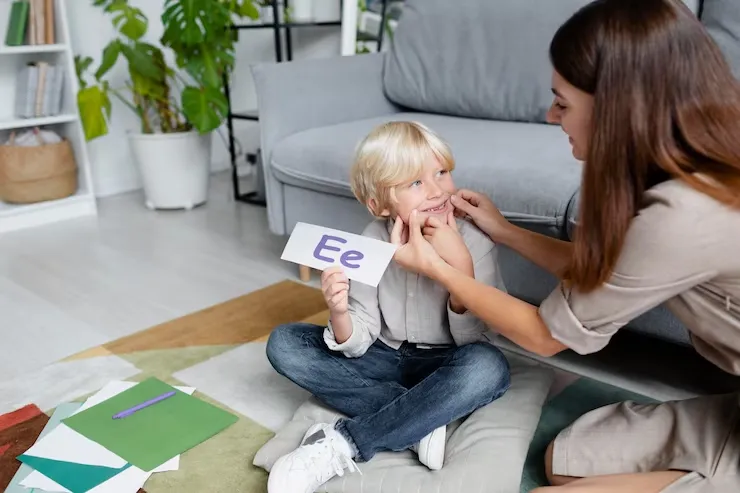
Defining Early Intervention in Clinical Practice
Early intervention represents a systematic, multidisciplinary approach to identifying and addressing developmental delays and disabilities during the most formative years of a child’s life, typically from birth to age three. From a clinical standpoint, it involves a comprehensive assessment of a child’s cognitive, communicative, motor, and social-emotional skills followed by targeted therapeutic strategies. Rather than employing a passive “wait-and-see” methodology—which historical data and modern neuroscience both strongly discourage—early intervention actively engages the child’s developing brain.
The core objective is to mitigate the impact of developmental disorders, enhance the trajectory of a child’s developmental milestones, and provide families with the precise tools and knowledge necessary to facilitate their child’s growth. In the specialized fields of audiology and speech-language pathology, early intervention is paramount. The ability to hear clearly and communicate effectively forms the bedrock upon which all subsequent academic, social, and emotional learning is built. Delaying treatment restricts a child’s access to this fundamental foundation.
The Neurobiological Imperative: Capitalizing on Neuroplasticity
To truly comprehend the necessity of early intervention, one must examine the science of pediatric brain development. The human brain undergoes an explosive period of growth and architectural refinement during the first three years of life. This phenomenon, known as neuroplasticity, defines the brain’s inherent capacity to form, reorganize, and solidify synaptic connections, especially in response to learning, environmental experience, or following a neurological deficit.
During this highly sensitive window, the neural pathways responsible for language acquisition, auditory processing, and sensory integration are exceptionally malleable. The brain is quite literally wiring itself based on the input it receives. When a developmental delay is identified—whether it manifests as an expressive language disorder, a phonological processing deficit, or a sensory impairment such as pediatric hearing loss—introducing targeted therapeutic stimuli can effectively reroute or strengthen neural networks.
If therapeutic intervention is delayed until school age, the brain’s plasticity naturally diminishes. The neural circuits become more rigid and less adaptable, making it significantly more difficult to correct maladaptive communication patterns or auditory processing deficits. Therefore, early clinical intervention is not merely a supportive measure; it is a neurological necessity that capitalizes on a biologically fleeting window of opportunity.
Identifying the Spectrum of Developmental Delays
Developmental delays can present across a wide array of domains. In the context of audiology and speech-language pathology, our clinical focus often centers on communication and auditory processing, though these are frequently intertwined with cognitive and motor development.
Speech and Language Disorders
A child may present with receptive language delays, which involve difficulty understanding spoken language, following directions, or processing complex sentence structures. Conversely, expressive language delays involve difficulty utilizing words, combining words into sentences, or retrieving the correct vocabulary to convey thoughts and needs.
More complex clinical presentations, such as Childhood Apraxia of Speech (CAS)—a motor speech disorder where the brain struggles to plan and coordinate the complex oral movements needed to create syllables and words—require highly specialized, intensive therapy. Phonological disorders, where children apply simplified rules to complex speech sounds, can severely impact intelligibility. Early identification of these specific clinical profiles prevents the secondary emotional frustration and behavioral acting out that children frequently experience when they cannot communicate their needs effectively to caregivers and peers.
Audiological Impairments and Hearing Loss
Hearing loss in pediatric patients, whether congenital (present at birth) or acquired, sensorineural (involving the inner ear or auditory nerve) or conductive (involving the outer or middle ear), fundamentally alters the acquisition of speech and language. Even a mild, fluctuating, or unilateral hearing loss can lead to missed incidental learning, delayed phonemic awareness, and struggles with reading comprehension later in life.
Routine audiological screenings and early diagnostic assessments, including Auditory Brainstem Response (ABR) testing and Otoacoustic Emissions (OAE), are fundamental tools in pediatric audiology. Identifying hearing loss within the first few months of life allows for the immediate implementation of amplification devices, such as hearing aids or bone-anchored hearing systems, or consideration for cochlear implants. This ensures the auditory cortex receives the necessary and consistent stimulation required to process sound and decode spoken language.
Social Communication and Pragmatics
For children with neurodevelopmental differences, such as those on the autism spectrum or individuals with social communication disorders, early intervention frequently focuses on pragmatic language. This includes establishing joint attention, understanding non-verbal cues, practicing turn-taking, and utilizing language for functional social interaction rather than mere labeling. Establishing these foundational pragmatic skills early reduces severe behavioral challenges and fosters meaningful interpersonal connections.
Real-World Clinical Example: The Trajectory of Unaddressed Versus Treated Delays
To illustrate the profound impact of timely care, consider a clinical scenario involving a toddler who presents at 18 months of age with limited vocalizations, a lack of consonant-vowel combinations, and an inconsistent response to their name. A dismissive “wait-and-see” approach might assume the child is simply a late talker, placing the burden of time on the child’s developing brain.
However, a comprehensive diagnostic assessment initiated immediately reveals a moderate bilateral sensorineural hearing loss. By initiating early intervention right away, the child is fitted with pediatric hearing aids by a clinical audiologist. The audiologist ensures precise programming using real-ear measurements to match the child’s specific prescriptive targets. Simultaneously, the child begins weekly sessions with a speech-language pathologist specializing in aural rehabilitation.
The therapy focuses on auditory verbal techniques, teaching the child to listen, map meaning to sound, and eventually produce spoken language. The parents are trained extensively to create a language-rich acoustic environment at home. Because of this swift clinical action, by age three, the child’s receptive and expressive language skills closely parallel those of their typically developing, normal-hearing peers.
Conversely, if that same child’s hearing loss remained undetected and untreated until age four or five—often the age when children enter preschool and educators notice delays—they would have missed thousands of hours of critical passive language exposure. The resulting language deprivation would require years of intensive, remedial therapy. The child would likely face substantial academic hurdles, reading delays, and social isolation upon entering the school system, simply because the critical window for effortless language acquisition was missed.
The Transformative Role of Family Coaching and Empowerment
A hallmark of highly effective, evidence-based early intervention programs is the seamless transition from a purely child-centric model to a family-centered approach. Clinical professionals recognize an undeniable reality: children spend a mere fraction of their time in a clinical therapy room and the vast majority of their time in their natural environment with their primary caregivers.
Therefore, speech-language pathologists and audiologists do not merely treat the child in isolation; they actively coach, educate, and empower the parents. This process, often referred to as caregiver training or parent coaching, equips families with the exact strategies needed to embed therapeutic exercises into daily, natural routines—such as mealtime, bath time, shared reading, and play.
- Empathetic and Structured Support: Discovering a child has a developmental delay or hearing loss can be emotionally overwhelming and frightening for parents. A robust clinical team provides deeply empathetic counseling, validating parental concerns while simultaneously offering a highly structured, scientifically backed action plan.
- Direct Skill Transfer: Clinicians model specific therapeutic techniques. They might demonstrate acoustic highlighting (emphasizing a specific sound or word), expanding utterances (adding vocabulary to a child’s short phrase), and parallel talk (narrating the child’s actions). The clinician then observes and guides the parents as they practice these techniques in real-time with their child, ensuring the parents feel confident and capable.
- Environmental Modification and Device Management: Audiologists educate families on optimizing the home acoustic environment. This involves teaching parents how to reduce reverberation and background noise, effectively manage and troubleshoot hearing aids, and ensure consistent, daily use of assistive listening devices to maximize auditory access.
Mitigating the Need for Intensive Long-Term Services
The clinical and economic efficacy of proactive treatment is exceptionally well-documented in pediatric healthcare. By addressing developmental anomalies directly during the early formative years, the long-term severity of the delay is often significantly mitigated.
A child who receives timely intervention for a severe articulation or phonological disorder may completely resolve their speech sound errors before entering kindergarten. This successful early resolution eliminates the need for an Individualized Education Program (IEP), removes the necessity of pulling the child out of class for school-based therapy, and prevents the emotional toll of being misunderstood by peers.
This profound reduction in the need for future intensive services alleviates sustained emotional and financial strain on the family unit. Moreover, it reduces the overall systemic burden on public educational and healthcare systems. Proactive care alters the developmental trajectory, preventing a cascade of secondary issues such as chronic academic underachievement, behavioral disturbances stemming from communication frustration, and the psychological impact of social isolation.
Recognizing Clinical Red Flags: When Parents Should Seek an Assessment
Awareness of established developmental milestones serves as the first line of defense in pediatric health. Parents, caregivers, and pediatricians should be vigilant for specific clinical markers that warrant an immediate referral for a comprehensive assessment by an audiologist or speech-language pathologist. The following are significant indicators that an evaluation is medically and developmentally necessary:
- Lack of babbling, pointing, or gesturing by 12 months of age.
- Failure to produce single, meaningful words by 16 months of age.
- Absence of two-word, spontaneous phrases (without merely imitating or echoing others) by 24 months.
- Any loss of previously acquired speech, babbling, or social skills at any age, which is an immediate red flag requiring thorough investigation.
- Inconsistent response to sound: The child may seem to hear certain environmental noises but ignores verbal commands, or fails to startle at loud, unexpected noises.
- Difficulty understanding age-appropriate instructions or requiring visual cues to follow directions.
- Speech that remains highly unintelligible to unfamiliar listeners by the age of three.
The Multidisciplinary Diagnostic Process
When a developmental delay is suspected, the initial and most critical step is executing a comprehensive diagnostic evaluation. This clinical process is inherently multidisciplinary, ensuring no underlying physiological cause is overlooked.
An audiologist will conduct a thorough auditory battery tailored to the child’s developmental age. This includes behavioral observation audiometry, visual reinforcement audiometry, or objective measures like tympanometry to rule out or definitively diagnose hearing loss. This ensures that transient conditions, such as middle ear fluid (otitis media), or permanent sensorineural deficits are not silently impeding the child’s ability to hear language.
Simultaneously, a speech-language pathologist administers a combination of standardized assessments, observational play-based evaluations, and detailed parent interviews. This comprehensive approach establishes a precise baseline of the child’s receptive, expressive, and pragmatic communicative competence.
Following the assessment, the clinical team develops a highly individualized, evidence-based treatment plan. This plan establishes measurable, functional goals designed to close the developmental gap systematically. Therapy is never a generalized, one-size-fits-all curriculum; it is a targeted medical, therapeutic, and educational intervention tailored specifically to the unique neurodevelopmental profile of the individual child.
A Commitment to Lifelong Success and Optimal Development
Supporting children with developmental delays requires an unwavering, proactive commitment to evidence-based clinical care. Early intervention is the precise mechanism through which medical professionals and families collaborate to transform developmental vulnerabilities into enduring strengths.
By prioritizing early identification protocols, embracing the biological reality of neuroplasticity, and comprehensively empowering families with the therapeutic knowledge required to foster an enriching home environment, we ensure that every child is afforded the optimal foundation. This foundation is essential for lifelong communication, continuous learning, and successful social integration. The impact of these immediate, focused clinical actions reverberates throughout the entirety of a child’s life, fundamentally shaping their ability to engage with, understand, and meaningfully connect with the world around them.