
Hearing Protection for Children: Tips for Parents to Keep Kids Safe from Noise-Induced Hearing Loss
Joy of Hearing Team
Joy of Hearing Clinical Team
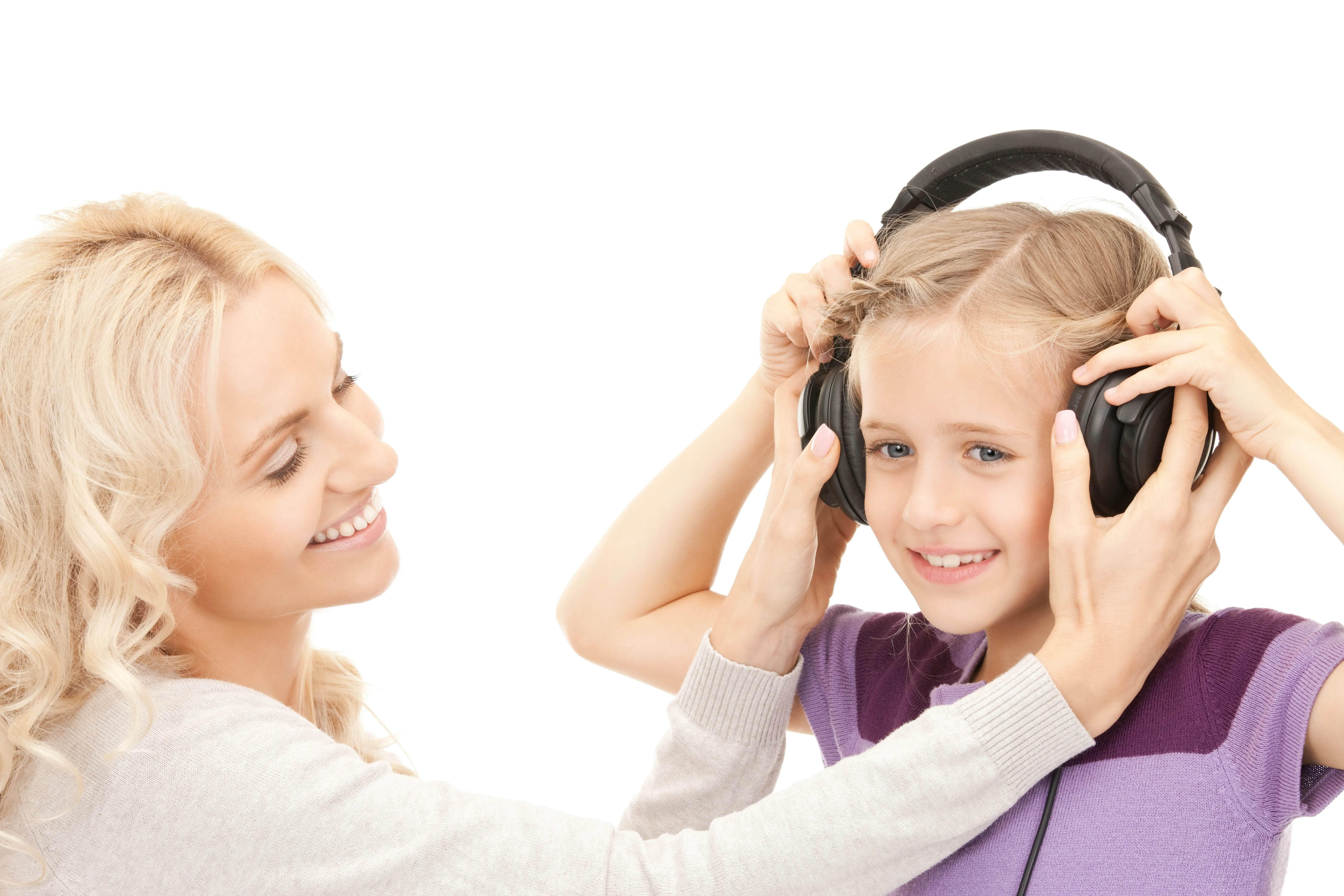
The auditory system of a child is exceptionally sensitive, making pediatric populations uniquely vulnerable to acoustic trauma. While many parents meticulously safeguard their children against physical injuries by enforcing the use of bicycle helmets, seatbelts, and knee pads, auditory health is frequently overlooked in daily routines. Noise-Induced Hearing Loss (NIHL) is a rapidly growing clinical concern in pediatric audiology, carrying profound implications for a child’s speech-language development, cognitive processing, and overall psychological well-being.
Unlike temporary, fluctuating conductive hearing issues caused by common childhood middle ear infections (otitis media), NIHL results in permanent, irreversible sensorineural damage. When the delicate stereocilia (the microscopic hair cells) within the fluid-filled cochlea are subjected to excessive sound pressure levels, they undergo severe metabolic stress. Intense acoustic energy triggers the overproduction of reactive oxygen species within the inner ear, leading to oxidative stress and the eventual apoptosis (cellular death) of these irreplaceable sensory receptors. Because the human body completely lacks the biological mechanism to regenerate inner ear hair cells, any resulting hearing loss is permanent and lifelong.
As an authoritative source in comprehensive audiological care, Joy of Hearing emphasizes that proactive, preventative action is the singular defense against acoustic trauma. By implementing targeted, evidence-based strategies, parents can actively preserve their child’s hearing acuity throughout their most critical developmental years.
The Anatomical and Neurological Reality of Pediatric Auditory Vulnerability
To fully understand why children require highly stringent auditory protection, we must examine the specific mechanics of pediatric ear anatomy. A child’s external auditory meatus (ear canal) is physically smaller, narrower, and shorter than that of a fully developed adult. This anatomical difference acts as an incredibly efficient acoustic resonator.
When loud sounds enter a child’s ear canal, the sound pressure level is amplified naturally by the physical shape of the canal—significantly more than it would be in a larger adult ear canal. A sound that an adult perceives as merely loud can reach highly dangerous, cell-damaging decibel levels upon striking a child’s tympanic membrane (eardrum). A 90-decibel sound for an adult might effectively translate to a 100-decibel exposure for a toddler, drastically accelerating the rate of cochlear damage.
Furthermore, the central auditory nervous system remains in a state of rapid neuroplastic maturation throughout early childhood and adolescence. The brain relies on clear, complete acoustic signals to map the auditory cortex and develop phonological awareness—the ability to recognize and manipulate spoken sounds, which is the foundational prerequisite for reading and language comprehension. Unrestricted exposure to hazardous noise levels not only damages the peripheral auditory structures in the ear but can also permanently disrupt the neural pathways responsible for complex sound processing, leading to lifelong difficulties with speech discrimination in noisy environments.
Proactive Strategies for Pediatric Hearing Conservation
The heavy responsibility of hearing conservation begins with decisive parental intervention. The following clinical recommendations provide a highly structured, comprehensive framework for protecting your child’s auditory health across a multitude of modern environments.
1. Institute Early Auditory Education
A fundamental component of pediatric hearing conservation is early and consistent education. Children are highly receptive to understanding the structural “why” behind health rules when explained at an age-appropriate level. Educating your child about the risks of hazardous noise and the biological mechanism of hearing empowers them to take proactive ownership of their sensory health.
Normalize the concept of hearing protection in the exact same manner you normalize applying sunscreen before going to the beach or looking both ways before crossing a street. Explain that our ears contain thousands of tiny, fragile hair cells that bend like blades of grass in the wind when sound enters the ear, but a “tornado” of loud noise can snap them permanently. By making auditory safety a standard, logical family practice rather than a punitive restriction, children are far more likely to comply voluntarily and independently recognize auditory danger.
2. Mandate Hearing Protection in High-Risk Environments
Environmental noise pollution is a significant and escalating contributor to pediatric NIHL. Whether attending a high-decibel music concert, a roaring professional sporting event, a local airshow, or observing a neighborhood fireworks display, the acoustic energy in these settings consistently exceeds safe exposure limits. The National Institute for Occupational Safety and Health (NIOSH) dictates that continuous exposure to noise above 85 decibels can cause permanent damage, and the threshold drops rapidly as the decibel level increases. For example, exposure to 100 decibels is only safe for 15 minutes.
In these high-intensity scenarios, specialized hearing protection is clinically non-negotiable.
- Infants and Toddlers: Traditional expandable foam earplugs are highly ineffective for small ear canals and pose a severe choking hazard. Instead, utilize circumaural (over-the-ear) noise-attenuating earmuffs designed specifically for the dimensions of an infant’s skull. These devices distribute clamping pressure evenly while providing an immediate, highly effective acoustic seal.
- Older Children: While custom-molded silicone earplugs (fabricated by an audiologist) offer excellent attenuation for older children, high-quality over-the-ear muffs with an adequate Noise Reduction Rating (NRR) remain the most reliable over-the-counter choice, as they entirely eliminate the risk of improper insertion depths common with squishy foam plugs.
3. Strictly Regulate Personal Audio Devices
The widespread proliferation of smartphones, tablets, and personal audio devices represents the most pervasive and insidious threat to modern pediatric auditory health. Prolonged listening sessions via headphones or earbuds directly expose the tympanic membrane to continuous, high-intensity acoustic stimulation for hours on end. Earbuds are particularly hazardous compared to over-the-ear headphones, as they bypass the natural resonance and protective acoustic filtering of the pinna (the fleshy outer ear) and deposit sound directly into the bony portion of the ear canal.
Clinicians strongly recommend implementing the 60/60 Rule: Children should listen to personal audio devices at no more than 60% of the device’s maximum volume for a duration of no more than 60 minutes at a time. After 60 minutes, the auditory system requires a mandatory quiet recovery period to resolve metabolic fatigue within the cochlea. Additionally, parents must engage the volume-limiting software features built into most modern operating systems (such as iOS and Android) to prevent the child from manually overriding safe listening levels.
4. Utilize Active Noise-Canceling Technology
A common reason children increase headphone volume to dangerous levels is an attempt to mask competing environmental noise, such as the loud hum of an airplane engine, road noise in a car, or the general chatter of a busy household. This compensatory behavior forces the inner ear to process dangerously high sound pressure levels just to hear the media dialogue.
Investing in Active Noise Cancellation (ANC) headphones is a clinically sound, highly effective preventative measure. ANC technology utilizes external microphones to continuously sample ambient room noise and instantaneously generates an inverted sound wave to neutralize it before it reaches the eardrum. By effectively silencing the background environment, children can clearly hear their music or educational media at drastically lower, physiologically safe volume levels.
5. Evaluate the Acoustic Hazard of Toys
The standard household playroom can harbor deeply unexpected auditory dangers. Many commercially available toys—including electronic learning devices, motorized vehicles, walkie-talkies, toy firearms, and percussive musical instruments—emit sound pressure levels frequently exceeding 100 to 110 decibels at the source.
The clinical risk is exponentially compounded by the “proximity effect.” Children frequently hold noise-producing toys directly against their ears while playing, drastically increasing the raw decibel exposure and the risk of immediate acoustic trauma.
- Pre-Purchase Acoustic Evaluation: Test toys actively in the store before purchasing. If the emitted sound is uncomfortably loud or piercing to your adult ears when held at arm’s length, it is decidedly dangerous for a child’s developing auditory system.
- Acoustic Modification: For existing loud toys currently in the home that lack a dedicated volume control switch, place a piece of heavy-duty packing tape or thick masking tape directly over the speaker grill. This simple, cost-effective modification efficiently dampens the high-frequency acoustic output and significantly reduces the overall sound pressure level reaching the child’s ear.
6. Prioritize Regular Clinical Audiological Evaluations
Preventative audiological screening is an indispensable component of comprehensive pediatric healthcare. Hearing loss in its earliest stages is entirely invisible and frequently asymptomatic to the untrained eye. Children, especially young toddlers, lack the specific vocabulary and self-awareness to articulate their auditory struggles. Instead, they may exhibit secondary behavioral issues, sudden academic regression, inattentiveness, or delayed speech development.
Routine audiological evaluations conducted by a licensed audiologist establish a critical, scientifically measurable baseline of your child’s hearing acuity. Clinical diagnostic assessments—such as pure-tone audiometry (testing thresholds across different frequencies), otoacoustic emissions (OAE) testing (measuring the exact physical response of the cochlear hair cells), and tympanometry (assessing middle ear function)—allow clinicians to detect microscopic, sub-clinical shifts in hearing thresholds long before they become noticeable in daily life. Identifying a slight, high-frequency “noise notch” early enables immediate behavioral intervention and permanently prevents the progression to a severe sensory impairment.
7. Model Exceptional Auditory Habits
Children learn most effectively by continuously observing the behaviors modeled by their primary caregivers. The effectiveness of your verbal instructions regarding hearing protection is directly correlated with your own visible actions. If a child consistently observes a parent operating a loud lawnmower, using high-torque power tools, attending a noisy sporting event, or grinding coffee without utilizing hearing protection, they will immediately internalize the subconscious message that auditory safety is strictly optional.
Demonstrate a profound commitment to hearing conservation by visibly applying your own earmuffs or inserting custom earplugs before engaging in loud tasks. Discuss your protective actions aloud: “I am making sure to put on my earmuffs before I turn on the leaf blower so I can protect my inner ear from getting hurt.” This openly modeled behavior solidifies the absolute importance of the practice, validates the child’s own use of protection, and establishes a lasting, multi-generational culture of sensory health within the household.
Protecting a child’s auditory system requires daily vigilance, foundational education, and the consistent application of clinical guidelines. The microscopic hair cells responsible for the absolute miracle of hearing are resilient but strictly finite. By understanding the unique anatomical vulnerabilities of pediatric ears and taking definitive, proactive action to mitigate acoustic trauma, parents can confidently preserve their child’s hearing acuity. This ensures that the child maintains full, unhindered access to the auditory richness of the world, optimal language development, and seamless social integration throughout the entirety of their life.