
Navigating Sudden Hearing Loss: Treatment Options from Medications to Rehabilitation
Joy of Hearing Team
Joy of Hearing Clinical Team
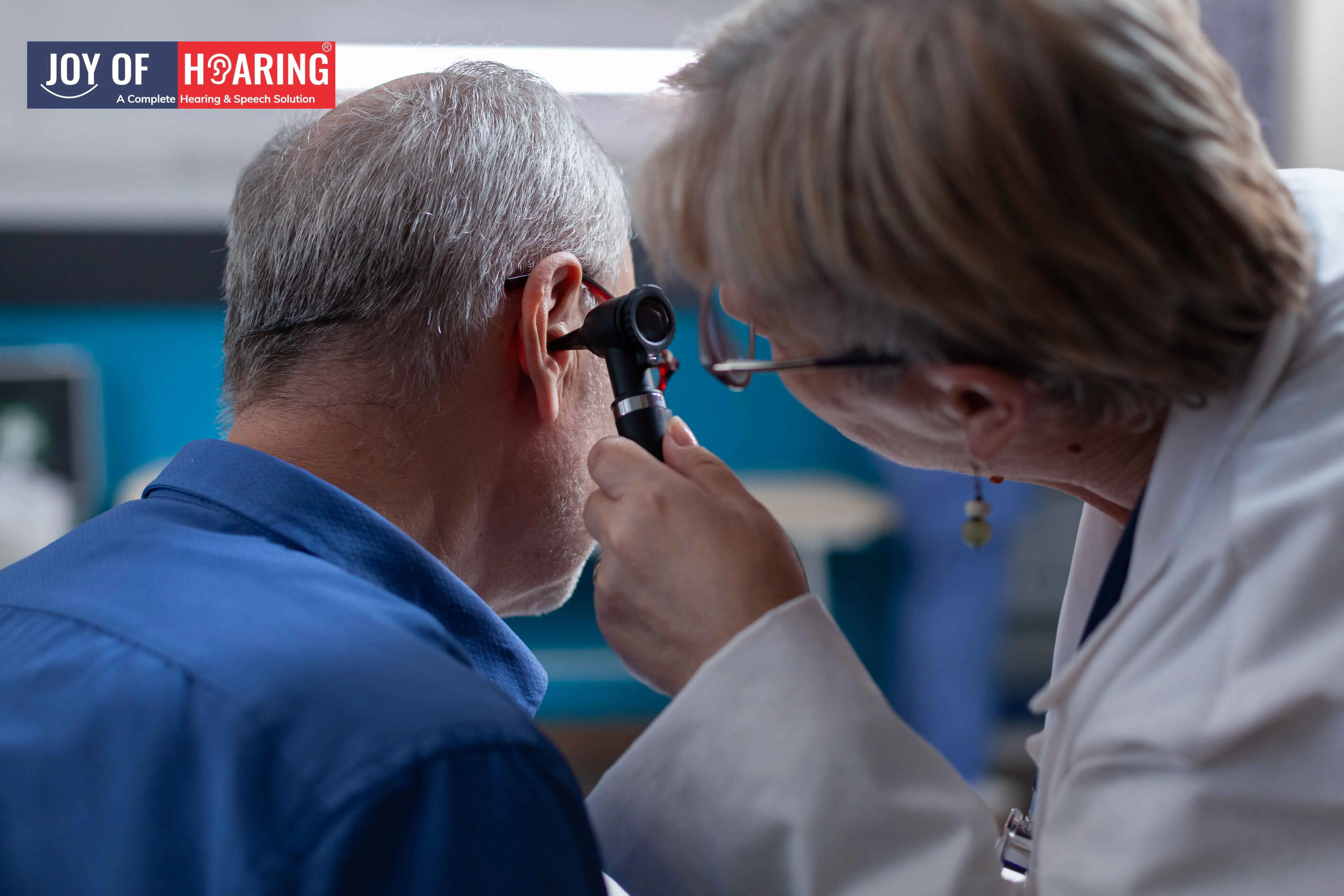
Experiencing an abrupt cessation of hearing is an inherently traumatic event. Patients frequently describe waking up to profound silence in one ear or noticing a sudden, precipitous drop in auditory function during a routine conversation. This condition, clinically referred to as Sudden Sensorineural Hearing Loss (SSNHL), is not merely an inconvenience; it constitutes an urgent otologic medical emergency. Immediate clinical evaluation is the determining factor between permanent auditory deprivation and successful functional recovery.
Understanding the complex landscape of treatment protocols—ranging from aggressive pharmacological intervention to long-term audiological rehabilitation—is essential for patients facing this severe diagnostic reality. The path to restoring auditory function demands a multidisciplinary approach executed by otolaryngologists, audiologists, and speech-language pathologists.
The Clinical Definition of Sudden Sensorineural Hearing Loss
To properly address sudden hearing loss, we must first establish its clinical parameters. Medical professionals typically define SSNHL using the “30-3-3” rule: a loss of at least 30 decibels (dB) over at least 3 contiguous frequencies occurring within a window of 3 days or less. In practice, the onset is often instantaneous.
Patients frequently report an initial sensation of aural fullness or pressure, leading them to mistakenly attribute the problem to cerumen (earwax) impaction, sinus congestion, or fluid in the middle ear. Accompanying symptoms heavily influence the diagnostic pathway. A significant percentage of patients experience severe, ipsilateral tinnitus (a loud ringing or roaring sound in the affected ear). Others may present with episodic vertigo, dizziness, or an immediate loss of spatial balance.
While a definitive cause is identified in only a fraction of cases (roughly 10% to 15%), potential etiologies include viral infections affecting the cochlea, vascular compromise (such as a micro-infarction in the blood vessels supplying the inner ear), autoimmune disorders, or acoustic trauma. Because the specific etiology often remains idiopathic, medical protocols emphasize rapid, broad-spectrum intervention designed to reduce inner ear inflammation and stabilize cochlear function.
Diagnostic Workup: Isolating the Etiology
Because SSNHL can mimic more benign conditions, an exhaustive diagnostic workup is imperative to rule out life-threatening pathologies and guide therapeutic decisions.
- Tuning Fork Tests: During the initial physical examination, clinicians often perform Weber and Rinne tuning fork tests. These bedside assessments quickly differentiate between conductive blockage (like earwax or middle ear fluid) and true sensorineural damage, ensuring that high-dose steroid treatment is not delayed by misdiagnosis.
- Comprehensive Audiogram: A pure-tone audiogram is required to formally document the severity and configuration of the hearing loss, establishing the baseline against which the success of future treatments will be measured. Speech discrimination scores are simultaneously recorded to assess neural integrity.
- Magnetic Resonance Imaging (MRI): To definitively rule out an acoustic neuroma, central nervous system lesions, or cerebrovascular accidents, a contrast-enhanced MRI of the internal auditory canal and brain is ordered. This imaging is considered the standard of care for any patient presenting with unexplained asymmetrical hearing loss.
- Laboratory Blood Panels: In cases where an autoimmune etiology is suspected—such as Autoimmune Inner Ear Disease (AIED) or Cogan’s syndrome—comprehensive serological testing is conducted to identify inflammatory markers, autoimmune antibodies, and potential infectious agents like Lyme disease or syphilis.
Pharmacological Interventions: The First Line of Defense
When a patient presents with sudden sensorineural hearing loss, time is the critical variable. Optimal outcomes are heavily correlated with the initiation of medical therapy within the first 72 hours of symptom onset.
Systemic and Intratympanic Corticosteroids
Corticosteroids serve as the absolute gold standard for treating SSNHL. Their primary mechanism of action is the rapid suppression of inflammation and the reduction of localized edema within the delicate structures of the cochlea and the auditory nerve.
- Oral Administration: High-dose oral corticosteroids, such as prednisone or dexamethasone, are typically prescribed as the initial therapeutic step. The dosage is maintained at a high concentration for several days before being gradually tapered down to prevent adrenal suppression.
- Intratympanic Injections: For patients who have medical contraindications to systemic steroids (such as poorly controlled diabetes or severe hypertension), or for those who do not respond adequately to oral medications, intratympanic injections offer a targeted alternative. An otolaryngologist injects a highly concentrated steroid solution directly through the tympanic membrane into the middle ear space. The medication diffuses across the round window membrane directly into the inner ear, maximizing localized concentration while minimizing systemic side effects.
Hyperbaric Oxygen Therapy (HBOT)
In recent years, Hyperbaric Oxygen Therapy (HBOT) has emerged as a scientifically validated adjunctive treatment for SSNHL, particularly when initiated alongside corticosteroid therapy. The cochlea is an intensely metabolically active organ with a highly precarious blood supply. Any ischemic event (lack of blood flow) rapidly results in cellular hypoxia and hair cell death.
During HBOT, the patient breathes 100% pure oxygen in a pressurized chamber. This safely dramatically increases the partial pressure of oxygen in the blood plasma. The supersaturated plasma diffuses oxygen deep into the hypoxic tissues of the inner ear, bypassing compromised microvasculature. Clinical protocols generally recommend 10 to 20 daily sessions of HBOT. Studies indicate that patients who receive HBOT within the first two to four weeks of symptom onset exhibit statistically significant improvements in pure-tone thresholds compared to those treated with corticosteroids alone.
Antiviral and Rheologic Agents
If clinical indicators point toward a viral etiology—such as a recent upper respiratory tract infection or herpes zoster oticus—physicians may introduce antiviral medications alongside corticosteroid therapy. While the independent efficacy of antivirals for idiopathic SSNHL remains a subject of ongoing clinical debate, they are frequently utilized in a comprehensive medical approach.
In theories suggesting vascular compromise (a “stroke of the ear”), vasodilators or rheologic agents designed to decrease blood viscosity and improve microcirculation to the cochlea may be considered, although corticosteroids remain the primary focus.
Diuretics and Fluid Management
In conditions where endolymphatic hydrops or an abnormal buildup of inner ear fluid is suspected—such as in early presentations of Ménière’s disease—diuretics may be prescribed. By altering the fluid pressure dynamics within the inner ear, diuretics can alleviate the physical strain on the stereocilia, potentially resolving both the hearing loss and accompanying vestibular symptoms.
Surgical Pathways and Structural Corrections
While sudden sensorineural hearing loss is most frequently managed pharmacologically, specific structural or retrocochlear pathologies demand immediate surgical evaluation and intervention.
Perilymphatic Fistula Repair
A perilymphatic fistula is an abnormal opening between the fluid-filled inner ear and the air-filled middle ear space, often occurring at the oval or round window. This condition typically results from acute barotrauma (such as scuba diving or aggressive Valsalva maneuvers) or severe cranial trauma. The leakage of perilymphatic fluid causes immediate hearing loss and profound vertigo. Surgical exploration and patching of the fistula are required to stabilize the inner ear environment and prevent further neurosensory damage.
Acoustic Neuroma Management
Sudden unilateral hearing loss must always prompt an investigation into retrocochlear pathologies, primarily vestibular schwannomas (acoustic neuromas). These are benign, slow-growing tumors that develop on the vestibulocochlear nerve. While typically associated with gradual auditory decline, they can occasionally present with sudden hearing loss due to localized hemorrhage or acute compression of the vascular supply to the cochlea. Treatment options include microsurgical resection, stereotactic radiosurgery, or cautious observational monitoring, depending on the tumor’s size and the patient’s neurological status.
Middle Ear Reconstruction
If sudden hearing loss is determined to be conductive rather than sensorineural—perhaps resulting from a perforated tympanic membrane or a traumatic dislocation of the ossicular chain—surgical procedures such as tympanoplasty or ossiculoplasty become necessary to reconstruct the mechanical sound-conduction pathway.
Comprehensive Audiological Rehabilitation
When medical and surgical interventions fail to completely restore auditory function, the clinical focus immediately shifts to rigorous audiological rehabilitation. Untreated unilateral or bilateral hearing loss rapidly leads to cortical reorganization and cognitive fatigue.
Advanced Amplification Strategies
For patients left with residual, permanent sensorineural hearing loss, modern amplification is highly effective. Standard hearing aids utilize complex digital signal processing algorithms to isolate speech signals while actively suppressing background noise.
- CROS and BiCROS Systems: Sudden hearing loss frequently results in Single-Sided Deafness (SSD), where one ear becomes completely non-functional while the contralateral ear retains normal or slightly impaired hearing. Traditional amplification cannot benefit an ear without residual sensory function. Contralateral Routing of Signal (CROS) systems involve placing a microphone on the deaf ear, which wirelessly transmits acoustic information to a receiver worn on the hearing ear. This eliminates the “head shadow effect” and restores the patient’s awareness of sounds originating from their affected side.
Cochlear Implantation
If sudden hearing loss results in profound, irreversible bilateral deafness, or severe single-sided deafness accompanied by debilitating tinnitus, cochlear implants are evaluated. Unlike hearing aids that amplify sound, a cochlear implant completely bypasses the damaged cochlear structures. A surgically implanted electrode array directly stimulates the surviving fibers of the auditory nerve, transmitting electrical representations of sound to the brain. Recent clinical guidelines have expanded the criteria for cochlear implantation to include SSD, specifically noting its efficacy in restoring sound localization and suppressing ipsilateral tinnitus.
Auditory Training and Speech Therapy
The sudden alteration of auditory input dramatically disrupts the brain’s ability to process speech, particularly in challenging acoustic environments. Auditory training is a structured neuro-rehabilitation program designed to retrain the central auditory nervous system. Through targeted exercises focusing on sound discrimination, phonemic recognition, and auditory memory, patients can maximize the neurological benefit of their hearing aids or cochlear implants.
In cases where prolonged auditory deprivation has affected a patient’s vocal monitoring—leading to unusually loud speech or altered articulation—speech-language pathology provides essential therapeutic interventions to restore normal vocal mechanics and communication confidence.
Managing the Psychological Impact and Tinnitus
The sudden loss of a primary sensory modality precipitates a severe psychological reaction. Patients frequently move through stages of grief, experiencing intense anxiety, anger, and clinical depression. The abrupt loss of spatial awareness and the sudden difficulty in conversing with family members causes significant psychological trauma.
Additionally, sudden sensorineural hearing loss is almost universally accompanied by severe tinnitus. The brain, suddenly deprived of external acoustic input from the affected frequency ranges, generates phantom noises. This constant ringing often causes profound sleep disruption and inability to concentrate.
Clinical intervention must include psychological support alongside audiological treatment. Cognitive Behavioral Therapy (CBT) has proven highly effective in helping patients manage the emotional distress associated with sudden deafness. For tinnitus management, audiologists employ acoustic therapy, using ear-level masking devices and sound enrichment strategies to promote habituation—training the brain to successfully ignore the phantom sounds.
Immediate action, comprehensive diagnostic testing, and access to advanced medical and rehabilitative technologies form the core of effective treatment for sudden hearing loss. Delaying evaluation severely limits the potential for recovery.