
Hearing Aids and Exercise: How to Safely Stay Active with Your Devices
Joy of Hearing Team
Joy of Hearing Clinical Team
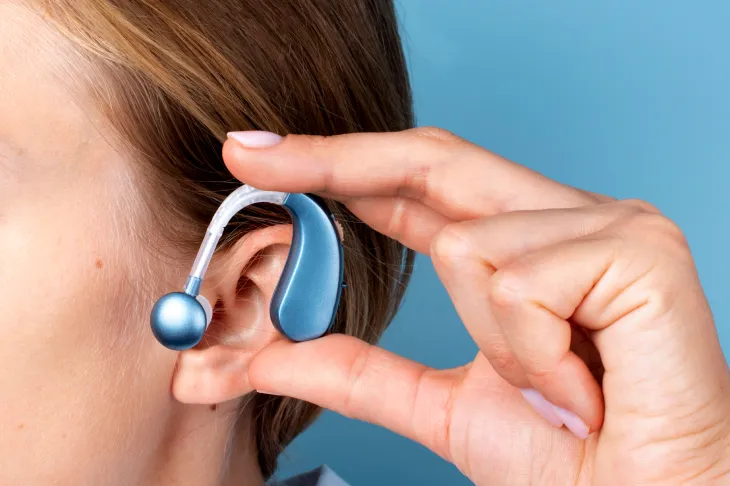
Maintaining a rigorous regimen of cardiovascular and physical activity is an essential component of comprehensive health. However, for patients undergoing audiological rehabilitation, mixing intense exercise with highly sophisticated, expensive medical electronics frequently causes anxiety. The fear of damaging microprocessors with sweat, dropping a device on the pavement, or experiencing discomfort often leads patients to remove their hearing aids during workouts entirely.
Leaving these essential devices in a locker fundamentally compromises the safety, communication, and overall efficacy of the physical activity. Engaging in exercise while wearing appropriately secured and protected hearing aids is entirely safe and highly recommended by hearing healthcare professionals. Understanding the intersection of human physiology, acoustic environments, and audiological hardware allows patients to maintain an active lifestyle without compromising their auditory health.
The Physiological Connection Between Cardiovascular and Auditory Health
The human cochlea—the spiral-shaped cavity in the inner ear responsible for translating sound waves into neural signals—is a highly vascularized structure. Specifically, the stria vascularis, a dense network of capillaries on the outer wall of the cochlea, provides the metabolic energy necessary for the microscopic hair cells to function.
These delicate structures require a constant, robust supply of oxygenated blood. Sedentary lifestyles, high blood pressure, and poor cardiovascular health directly restrict this blood flow, accelerating the degradation of the auditory system and exacerbating sensorineural hearing loss. Regular aerobic exercise stimulates profound cardiovascular efficiency, ensuring the cochlea receives optimal oxygenation. Simply put, what is good for the heart is exceptionally good for the ears. By maintaining physical fitness, patients can actively support the longevity of their residual hearing.
Analyzing the Impact of Perspiration on Microelectronics
The primary clinical concern regarding hearing aids and intense physical exertion is moisture management. The human body thermoregulates through sweating, and the skin around the pinna (the outer ear) and within the external auditory meatus (the ear canal) contains dense concentrations of eccrine and apocrine sweat glands.
Sweat is not simply water; it is a complex, highly corrosive saline solution composed of sodium, potassium, calcium, urea, and various acidic oils. When this fluid penetrates the casing of a hearing aid, it rapidly oxidizes the internal battery contacts, degrades the microscopic receiver membranes, and shorts out the complex digital signal processors.
Modern premium hearing instruments are engineered to combat this exact issue. Most high-end devices carry a standardized IP68 rating, designated by the International Electrotechnical Commission. The ‘6’ indicates absolute protection against the ingress of dust and microscopic debris, while the ‘8’ signifies that the hermetically sealed chassis can withstand continuous immersion in water beyond one meter. Manufacturers utilize nano-coating technology—a microscopic polymer layer applied to both the external casing and internal circuitry—that causes moisture to instantly bead up and roll off the hardware, preventing corrosive adherence.
Despite these advanced protections, continuous exposure to highly acidic sweat without proper maintenance will eventually degrade any medical device.
Advanced Retention Strategies for High-Impact Kinetics
During plyometrics, running, or high-intensity interval training (HIIT), the kinetic force generated by the body presents a significant risk of physical displacement. Standard silicone domes, which hold the speaker wire in the ear canal, rely on gentle friction. Under heavy impact or extreme perspiration, these domes can easily slip out.
Audiologists frequently recommend transitioning to custom-molded earpieces for highly athletic patients. These molds are fabricated from a precise physical impression of the patient’s ear canal and concha bowl, ensuring a flawless, anatomically locked fit. For maximum stability, a clinician may prescribe a skeleton or semi-skeleton mold. These designs feature a thin acrylic or soft silicone retention ring that securely anchors the device within the antihelix of the ear, preventing the receiver from migrating outward during vigorous movement.
Additionally, patients utilizing Behind-The-Ear (BTE) or Receiver-in-Canal (RIC) models can employ specialized sports lanyards. These rugged, braided cords clip securely to the hearing aid chassis and attach to the collar of the patient’s shirt. In the event of a sudden impact displacing the device from the ear, the lanyard safely catches the hardware before it impacts the ground, preventing catastrophic internal damage.
Acoustic Challenges: Wind Shear and The Occlusion Effect
Outdoor athletic pursuits introduce highly complex acoustic challenges that basic amplification cannot solve. Cyclists and runners frequently experience extreme wind turbulence. When air rapidly shears across the dual microphone ports on the chassis of the hearing aid, it creates a broadband, low-frequency roaring noise that can completely mask environmental sounds and induce severe listening fatigue.
Advanced digital signal processing (DSP) algorithms are engineered to detect the uncorrelated phase signatures of wind across the two microphones instantly. Once detected, the microchip applies aggressive low-frequency attenuation and immediately shifts the microphone polarity to an omnidirectional pattern. This preserves vital surrounding acoustic cues—such as a vehicle approaching from the rear—while neutralizing the disruptive wind shear.
Furthermore, vigorous exercise significantly increases a patient’s respiratory rate. If the ear canal is tightly sealed with a dome or mold, the patient will experience the occlusion effect. The low-frequency acoustic energy generated by their own heavy breathing and the bone-conducted thud of their footsteps becomes trapped in the external auditory meatus. The sound bounces off the tympanic membrane (eardrum), creating a remarkably loud, booming sensation in the head.
To mitigate this physiological phenomenon, clinicians can physically enlarge the acoustic vent in the earpiece, allowing low-frequency energy to escape naturally. Alternatively, the audiologist can create a dedicated, custom “Exercise” program within the hearing aid software that purposefully reduces low-frequency gain and completely disables feedback cancellation algorithms that might mistake a gym whistle for electronic feedback.
Maximizing Situational Awareness and Safety
A primary clinical justification for wearing hearing aids during physical activity is maintaining critical spatial awareness. Runners, hikers, and cyclists must remain hyper-aware of their surroundings to avoid injury. Hearing the subtle crunch of gravel from a mountain bike approaching blindly around a corner, the warning shout of a fellow athlete, or the precise direction of a siren is absolutely essential for safety.
Taking the devices out forces the brain to rely entirely on visual cues, significantly reducing reaction times. By utilizing an open-fit acoustic design—where the ear canal remains largely unblocked—patients maintain their natural ability to localize the precise origin of high-frequency environmental sounds, drastically reducing the risk of accidents in chaotic environments.
Device Selection Based on Athletic Demands
Not all hearing aid form factors are equally suited for rigorous athletic performance. The specific style of the medical device must align with the patient’s physiological needs and athletic pursuits.
Behind-The-Ear (BTE) models are exceptionally durable. Because all the sensitive microelectronics are housed in a robust plastic casing resting behind the pinna, and only a hollow acoustic tube enters the ear canal, they are highly resistant to moisture blockages. BTEs are typically the clinical recommendation for heavy sweaters and extreme athletes.
Custom In-The-Ear (ITE) or Completely-In-Canal (CIC) models sit entirely within the ear canal. While highly discreet, they are located precisely where sweat pools and earwax (cerumen) is produced. For patients engaging in heavy cardiovascular workouts, the moisture traps created by custom in-ear models can lead to frequent mechanical failures and receiver blockages.
Certain sports demand the complete removal of the devices. For contact sports like rugby, wrestling, or martial arts, the risk of blunt force trauma to the side of the head is severe. Wearing hard acrylic or plastic devices during these activities poses a significant laceration risk to the delicate skin of the ear canal or pinna if struck. In these specific scenarios, audiological best practices dictate removing the devices entirely.
Similarly, while modern devices are highly water-resistant, they are not designed for deep aquatic submersion. Swimmers and divers must remove their hearing aids and utilize custom-fitted, solid silicone swim plugs. These plugs prevent cold water from continuously entering the ear canal, which can lead to the formation of exostoses (bony growths in the canal, commonly known as surfer’s ear) and prevent recurrent bacterial infections.
Post-Exertion Moisture Dehumidification Protocols
Preventative maintenance is the cornerstone of protecting audiological hardware. The use of a dedicated electronic dehumidifier is an absolute clinical requirement for athletic patients.
Passive desiccant jars—which rely on silica gel beads to draw moisture from the air—are insufficient for heavy perspirers. An electronic dry box utilizes controlled, gentle convection heat over a designated cycle to forcibly evaporate trapped moisture from deep within the micro-components.
Furthermore, advanced dehumidification units incorporate Ultraviolet-C (UV-C) lamps. As sweat and cerumen accumulate on the acoustic domes or ear molds, they create an optimal breeding ground for bacteria and fungi. The UV-C light physically destroys the DNA of these pathogens, sterilizing the hardware. This rigorously prevents the onset of otitis externa (swimmer’s ear) and maintains optimal dermatological health within the external auditory meatus.
Engaging in regular physical exercise is deeply beneficial for both physical health and the preservation of the auditory system. By understanding the mechanical limitations of the devices, utilizing custom retention strategies, and adhering to strict moisture management protocols, patients can confidently pursue aggressive physical fitness goals while wearing their advanced medical instruments.