
Embracing Balance: Coping with Anxiety and Depression in Vestibular Disorder Patients
Joy of Hearing Team
Joy of Hearing Clinical Team
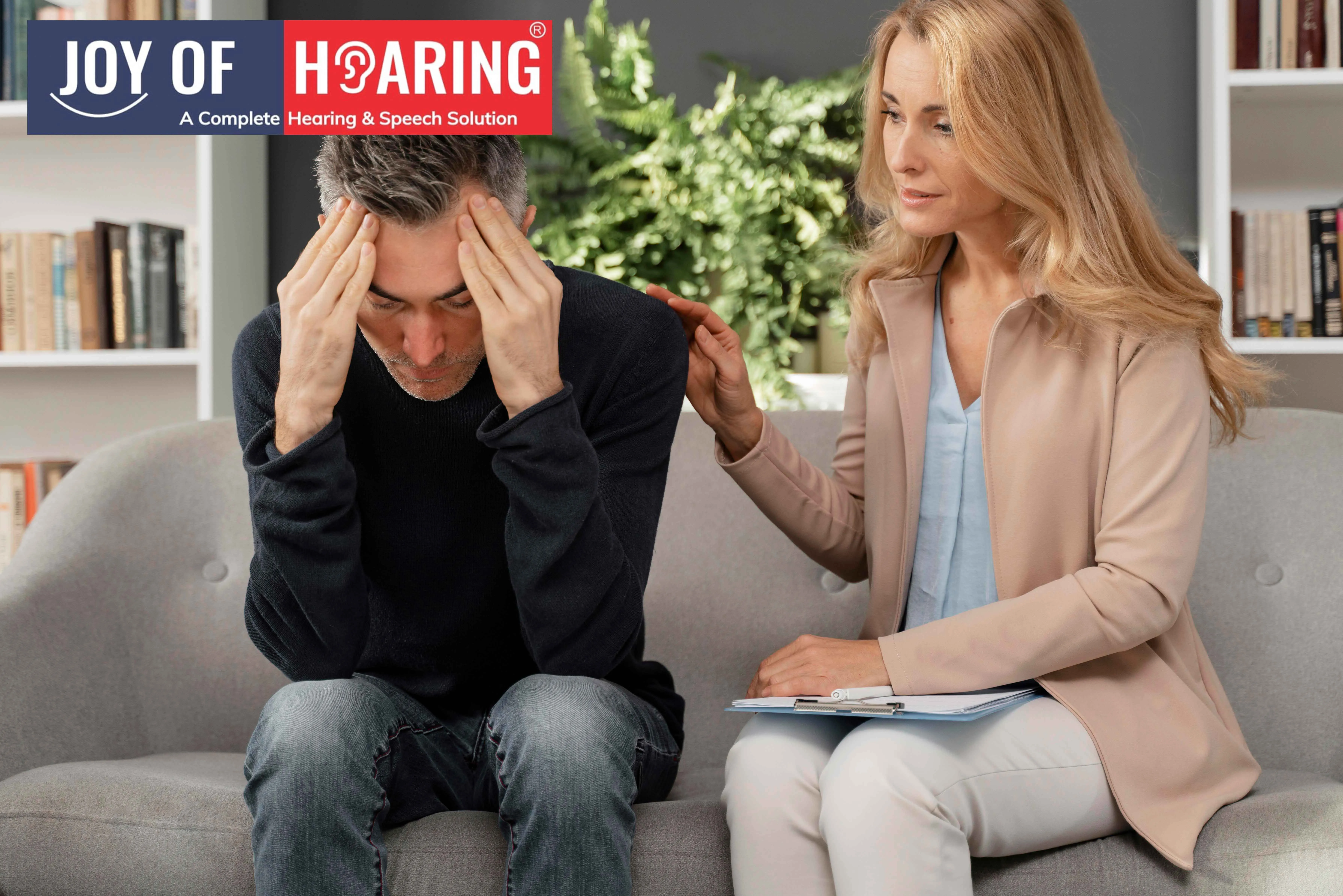
Living with a vestibular disorder involves far more than simply managing physical unsteadiness. The human balance system is an intricate, highly sensitive network, and when it malfunctions, the disruption reverberates throughout the entire body—and the mind. For patients diagnosed with conditions such as Benign Paroxysmal Positional Vertigo (BPPV), Ménière’s disease, vestibular neuritis, or Persistent Postural-Perceptual Dizziness (PPPD), anxiety and depression frequently become secondary, yet equally debilitating, conditions.
At Joy of Hearing, we recognize that evaluating and treating a balance disorder requires treating the whole patient. The emotional toll of chronic dizziness is not a sign of mental weakness; it is a documented, neurobiologically driven response to a disrupted sensory system. Understanding the relationship between the inner ear and psychological well-being is the first step toward reclaiming physical stability and emotional health.
The Neurobiology of Dizziness and Distress
To comprehend why vestibular disorders trigger such profound psychological distress, one must look at the neuroanatomy of the brain. The vestibular system, located in the inner ear, consists of the semicircular canals (which detect rotational movement) and the otolith organs (which detect linear acceleration and gravity). This system constantly feeds information to the brainstem regarding the head’s position in space.
Under normal circumstances, the brain seamlessly integrates vestibular input with visual data from the eyes and proprioceptive feedback from the muscles and joints. However, when a vestibular pathology occurs, the inner ear sends distorted or asymmetrical signals. The brain is suddenly confronted with sensory conflict—the eyes might signal that the body is stationary, while the inner ear erroneously signals that the room is spinning.
The central nervous system perceives this sensory mismatch as an immediate, life-threatening crisis. In response, it activates the sympathetic nervous system, initiating a “fight or flight” cascade. This autonomic arousal floods the body with adrenaline and cortisol, resulting in a racing heart, shallow breathing, sweating, and an overwhelming sense of panic. Therefore, the anxiety experienced during a vertigo attack is an innate physiological reflex, not a psychological overreaction.
The Vicious Cycle: Anticipatory Anxiety and Kinesiophobia
Once a patient experiences a severe vertigo attack, the memory of that terrifying loss of control lingers. This leads to a pervasive state of anticipatory anxiety—a constant, exhausting dread of when the next attack will strike.
This fear often manifests as kinesiophobia, or the fear of movement. Patients naturally begin to restrict their head movements to avoid triggering dizziness. They may stop turning their heads quickly, looking up at high shelves, or bending down to tie their shoes. Over time, this avoidance behavior physically weakens the body and actually prevents the brain from undergoing vestibular compensation, the very neurological process required to heal and adapt to the inner ear deficit.
As the patient’s physical world shrinks, so does their social and professional life. The fear of experiencing a drop attack or a severe dizzy spell in public often leads to agoraphobia (fear of leaving the home). This forced isolation, combined with the loss of independence and the chronic fatigue that accompanies constant unsteadiness, creates a fertile environment for clinical depression.
A Clinical Observation
Consider the case of a patient diagnosed with Ménière’s disease, a condition characterized by episodic, unpredictable bouts of severe vertigo, tinnitus, and hearing loss. Following several intense episodes at her workplace, she began calling in sick, fearful of losing her balance in front of colleagues. She eventually stopped driving, canceled social engagements, and spent most of her time in a dark, quiet room. The physical pathology of her inner ear had directly precipitated a deep, isolating depressive state. Her recovery required addressing both the otologic disease and the resultant psychological trauma.
Recognizing the Psychological Impact
It is essential for patients and their families to recognize the signs of secondary psychological distress. The symptoms of anxiety and depression in vestibular patients often overlap with the physical symptoms of the disorder itself, making accurate diagnosis challenging.
Indicators of Vestibular-Induced Anxiety:
- Hyperventilation or shortness of breath accompanied by a sudden onset of dizziness.
- Palpitations, chest tightness, or a racing heart during minor position changes.
- Intense fear or panic when exposed to visually complex environments, such as grocery store aisles or busy traffic (visually induced dizziness).
- Catastrophic thinking, where the patient assumes the dizziness represents a life-threatening neurological event like a stroke, despite medical reassurance.
Indicators of Vestibular-Induced Depression:
- A profound loss of interest in activities or hobbies that were once enjoyable.
- Persistent lethargy and overwhelming fatigue, often stemming from the immense cognitive energy required to maintain balance throughout the day.
- Feelings of hopelessness regarding the prospect of ever feeling “normal” again.
- Changes in appetite and significant sleep disturbances.
Evidence-Based Management and Coping Strategies
Treating the physical symptoms of a vestibular disorder in isolation is rarely sufficient for patients suffering from concurrent anxiety and depression. A comprehensive, multidisciplinary approach is required to break the cycle of dizziness and distress.
1. Vestibular Rehabilitation Therapy (VRT)
Vestibular Rehabilitation Therapy is the cornerstone of physical recovery. VRT is a specialized form of physical therapy designed to promote central nervous system compensation. Through targeted exercises, a physical therapist exposes the patient to the specific movements that trigger their dizziness in a safe, controlled environment.
- Habituation Exercises: These repeated, controlled exposures gradually desensitize the brain to the conflicting sensory signals, reducing both the physical dizziness and the accompanying autonomic panic response.
- Gaze Stabilization: Exercises utilizing the vestibulo-ocular reflex (VOR) train the eyes to remain fixed on a target while the head moves, drastically improving visual stability and reducing the disorientation experienced in busy environments.
As patients realize they can perform movements without triggering a catastrophic attack, their kinesiophobia diminishes, and their confidence returns.
2. Cognitive Behavioral Therapy (CBT)
Psychological intervention, particularly Cognitive Behavioral Therapy, is highly effective for vestibular patients. CBT focuses on identifying and restructuring the negative, catastrophic thought patterns associated with dizziness. A therapist helps the patient recognize that while dizziness is uncomfortable, it is not inherently dangerous. CBT also employs structured exposure techniques, gently encouraging patients to re-enter the environments they have been avoiding, such as shopping malls or driving, thereby breaking the cycle of agoraphobia.
3. Pharmacological Considerations
In some cases, medication is necessary to manage severe psychological distress. Selective Serotonin Reuptake Inhibitors (SSRIs) and Serotonin-Norepinephrine Reuptake Inhibitors (SNRIs) are frequently prescribed to manage anxiety and depression. Notably, these medications can also be highly effective in treating PPPD, a chronic vestibular disorder heavily intertwined with psychological factors.
However, patients must be cautious regarding the long-term use of vestibular suppressants, such as meclizine or diazepam. While these medications are appropriate for acute, severe vertigo attacks, prolonged use artificially depresses the central nervous system. This prevents the brain from accurately perceiving the vestibular deficit, entirely halting the natural compensation process and ultimately prolonging the patient’s recovery.
4. Lifestyle and Environmental Modifications
Empowering patients with actionable lifestyle adjustments provides a sense of control over an unpredictable condition.
- Dietary Management: For conditions like Ménière’s disease, strict adherence to a low-sodium diet and the restriction of caffeine and alcohol can significantly reduce the frequency of attacks.
- Sleep Hygiene: The brain requires restorative sleep to process sensory information and promote neuroplasticity. Establishing a consistent sleep schedule is a fundamental component of recovery.
- Mindfulness and Grounding Techniques: Practices such as diaphragmatic breathing, progressive muscle relaxation, and mindfulness meditation help deactivate the sympathetic nervous system during an attack. Grounding techniques—such as focusing on the physical sensation of the feet touching the floor or gripping a solid object—can anchor a patient’s spatial awareness when the room feels as though it is spinning.
Building a Multidisciplinary Support Network
Reclaiming balance is rarely a solitary endeavor. Patients achieve the highest success rates when supported by a cohesive, multidisciplinary medical team. This team typically involves an otolaryngologist to manage the underlying otologic pathology, an audiologist to monitor hearing and vestibular function, a vestibular physical therapist to guide physical rehabilitation, and a psychologist to address the emotional fallout.
Beyond clinical professionals, family and peer support are indispensable. Educating family members about the invisible nature of vestibular disorders fosters necessary empathy. Because a dizzy patient often looks perfectly healthy on the outside, their internal struggle is easily misunderstood. Support groups, whether local or online, provide a safe space to share frustrations and victories with fellow patients who intimately understand the daily reality of chronic dizziness.
Moving Forward with Resilience
While the journey through a vestibular disorder can feel overwhelming, it is entirely possible to restore both physical equilibrium and emotional vitality. The presence of anxiety and depression is a common, understandable reaction to a profound sensory disruption, not a permanent state of being.
By engaging in targeted vestibular rehabilitation, seeking appropriate psychological support, and implementing structured lifestyle changes, patients can retrain their brains, overcome the fear of movement, and step confidently back into their lives. Every small achievement—whether it is walking down the street without a cane, turning the head to look at a loved one, or simply enjoying a quiet afternoon without panic—is a victory.
Unlocking Stability: A Comprehensive Guide to Vestibular Rehabilitation Therapy